Baramulla, one of the oldest towns of Kashmir, has been a spiritual and cultural epicenter since ancient times. Nestled along the banks of the sacred Vitasta (Jhelum River), this region is home to several ancient temples, sacred springs, and pilgrimage sites deeply rooted in Sanatan Dharma.
These shrines are not merely places of worship – they are living testimonies of faith, resilience, and heritage, carrying forward centuries of devotion, mythology, and cultural identity of the Kashmiri Pandit community.
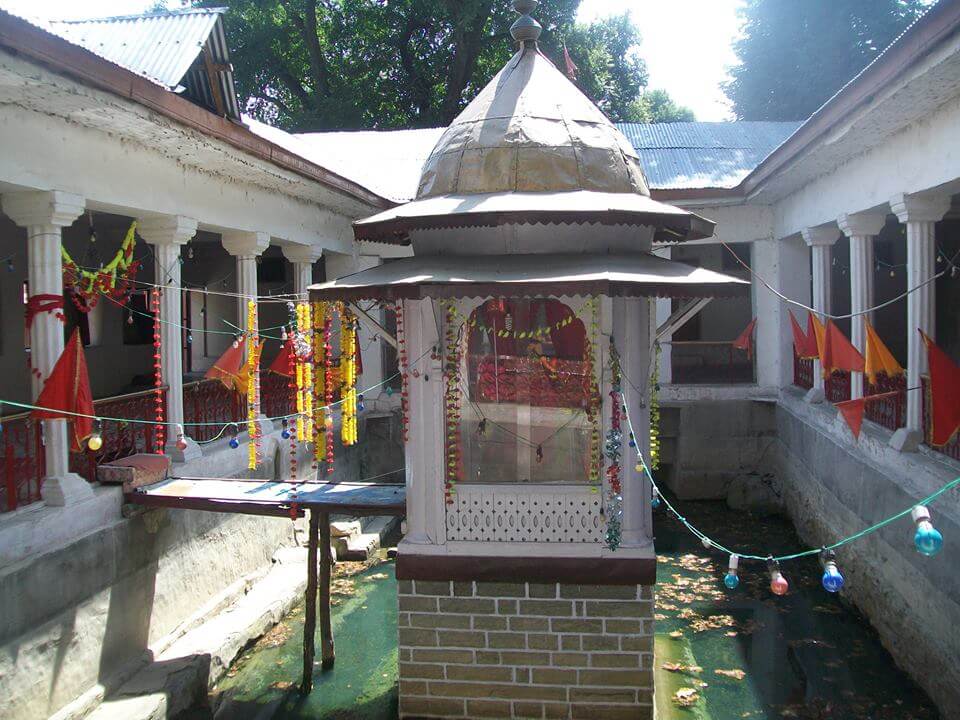
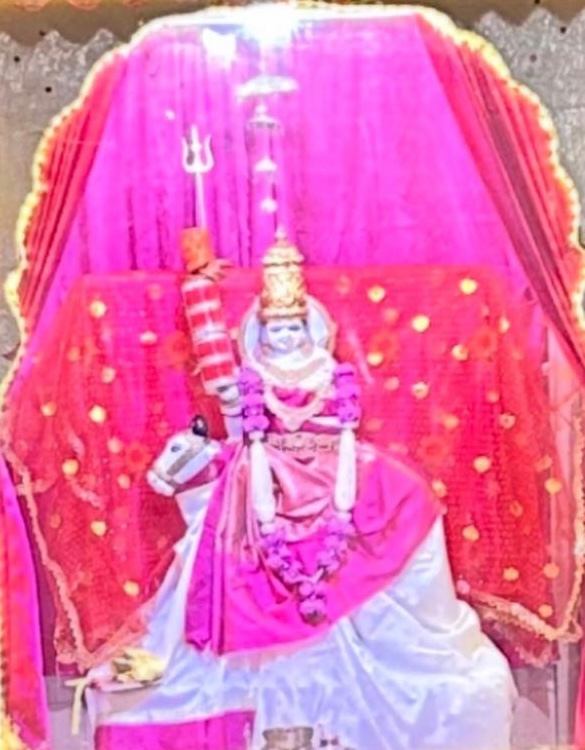
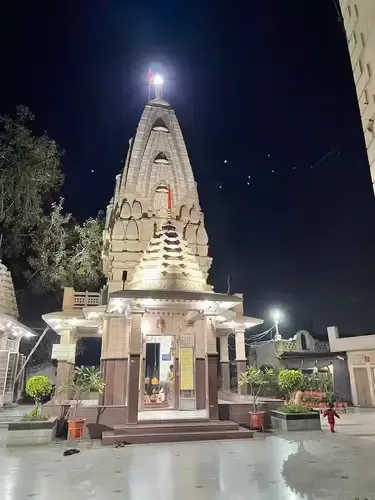
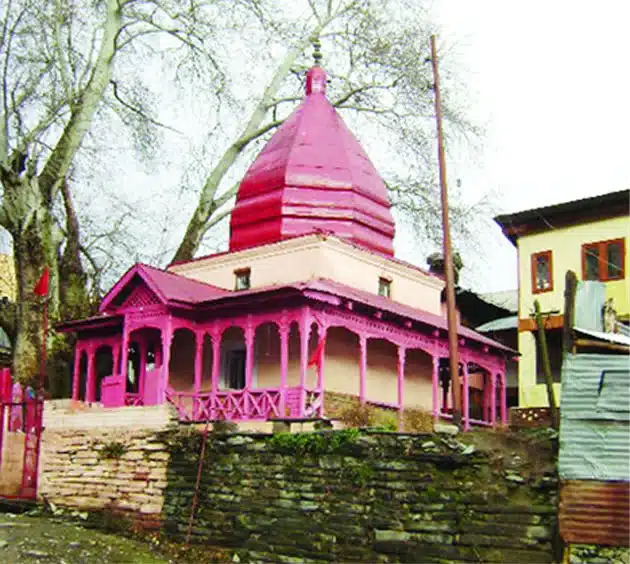
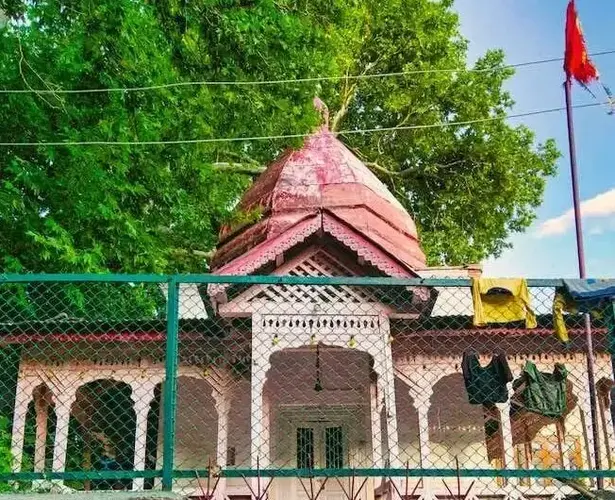
Mata Shailputri Temple, lovingly known as Devibal, is not just a temple – it is an emotion, a memory, and a spiritual anchor for generations of devotees. Located gracefully on the banks of the sacred Vitasta (Jhelum River), this temple carries within it the heartbeat of Baramulla’s ancient dharmic heritage.
For many Kashmiri Pandits, Devibal is not merely a place of worship – it is a symbol of home, belonging, and continuity of faith, even in times of displacement and hardship.
Celebrating The Roots That Shape Our Faith
A Journey Through Time
The temple’s history stretches back centuries – possibly over a millennium – making it one of the oldest active spiritual sites in the region. It is believed that:
The temple flourished during the time of King Ashoka, reflecting the deep-rooted presence of Sanatan Dharma in Kashmir
Another tradition attributes its construction to Maharani Narinder Prabha, guided by divine vision
Over the centuries, Devibal has witnessed the rise and fall of empires, yet its spiritual aura has remained untouched.
Preserving Heritage Through Devotion
The Divine Setting
As one enters the temple complex, a sense of calm immediately takes over. The temple is surrounded by four majestic chinar trees, standing like silent guardians of history.
At the heart of the temple lies the Amrit Kund, a sacred spring whose water is believed to carry divine purity. Devotees often pause here – not just to pray, but to reflect, reconnect, and find inner peace.
Restoring The Temples Devine Essence
The Goddess & Her Significance
Mata Shailputri, the first form of Goddess Durga, represents:
Strength
Purity
Divine feminine power
She is worshipped with great devotion on the first day of Navratri, when the temple comes alive with chants, rituals, and spiritual energy.
Like many sacred sites in Kashmir, Devibal has endured difficult times:
The temple was attacked and burnt in 1990 during the period of unrest
Rebuilt with the support of Indian Army and local community
Damaged again during 2015 floods, affecting the sacred spring
Yet, despite everything, the temple continues to stand—a powerful symbol of resilience and unwavering faith.
Restoring The Temples Devine Essence
Today’s Relevance
Even today, devotees travel from across India to visit Devibal, especially during Navratri, where large gatherings and yajnas reflect its continued importance
Devibal is not just a shrine—it is a spiritual beacon that continues to guide generations.
Whether you are a pilgrim, a heritage traveler, or a seeker of peace, the Mata Shailputri Temple offers a unique experience rooted in ancient spirituality and natural beauty.
“Shailputri Mata blesses all those who seek her with a pure heart. Come, connect with your inner self in the lap of the Himalayas.”
Welcome to Shiv Temple – Ramghat, Baramulla
Shiv Temple at Ramghat
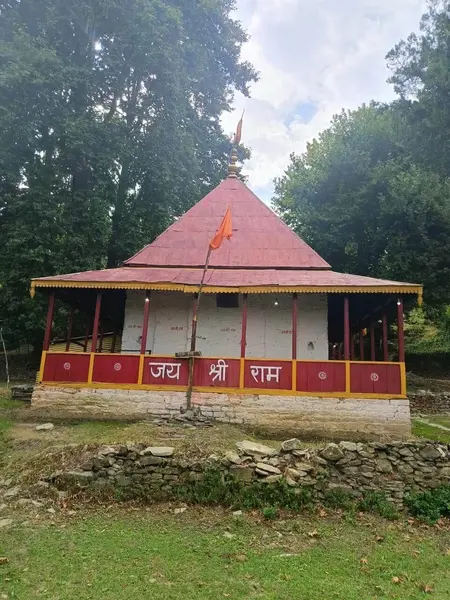
Situated along the Ramghat section of the Jhelum, this historic Shiva temple has been integral to Baramulla’s spiritual heritage for centuries, referenced in texts such as the Kotitirtha Mahatmya.
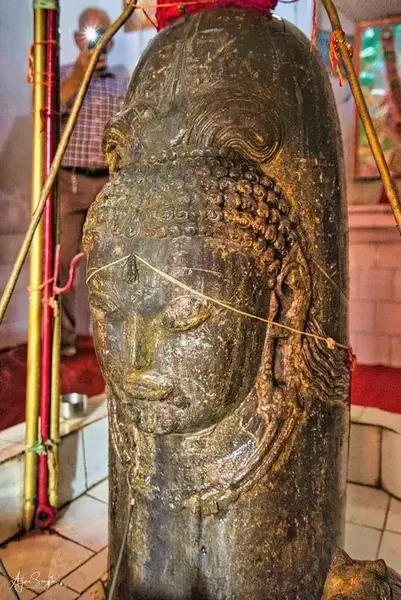
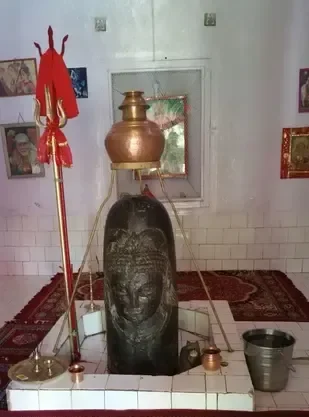
The temple is associated with rituals at Kotighat and celebrations like Ram Navami and Dussehra. The sanctum houses a unique five-foot Shiva-lingam adorned with a carved face. Nearby, the revered Ganganor spring is thought to be nourished by seven legendary hill springs.
Prior to 1947, approximately 500 Kashmiri Pandit families resided around Ramghat. Although many have relocated, the temple continues to hold a significant place in their memories and spiritual practices.
Over the centuries, the temple has endured invasions and natural deterioration, necessitating meticulous restoration particularly of the lingam, springs, and dharmashala.
“At Ramghat, time flows with the Jhelum’s waters, but faith endures in stone and spring—may this ancient hall of Shiva witness revival yet again.”
Living Shaivaite Legacy
A site where myth, ritual, and history blend, continuing millennia-old traditions.
Cultural Crossroads
Situated by the ghats of the Jhelum, with links to Rama, Reincarnation rites, and community memory.
Preservation Priority
Restoring this site strengthens Baramulla’s religious tourism narrative and helps conserve minority heritage spaces.
Welcome to Barav Mandir Shrine – Baramulla
A Timeless Seat of Devotion
Situated near Kotitirth along the banks of the Jhelum, Barav Mandir serves as a link between Baramulla and its Varahamula roots. It embodies a fusion of ancient Shaivite and Vaishnavite customs.
This region was once home to the AdiVaraha shrine, as noted by Kalhaṇa. Nearby, there exists a Shiva temple featuring a distinctive face-bearing lingam and a revered spring known as Ganganor.
From ritualistic baths to festive processions, this location has historically been pivotal to community life. It continues to serve as an emotional cornerstone for displaced Pandit families.
Historical invasions have caused damage to various parts of the site. The restoration of the lingam, ghats, dharmashala, and the spring area would rejuvenate this significant pilgrimage destination.
Legend says the springs appeared when Lakshman struck the hilltop with seven arrows to bring water for Sita. Each kund—Ram, Sita, Lakshman, Hanuman, Bharat, Shatrughan, Surya holds ritual importance.
The springs unite Shaivite and Vaishnavite traditions. Despite conflict and migration, locals both Pandit and Muslim families have safeguarded the shrine.
Koti Tirth is one of those rare places where spirituality feels tangible. It is not just visited—it is experienced. Mentioned in the Nilamata Purana, this shrine holds immense importance in the spiritual geography of Kashmir.
One of the most fascinating aspects of this temple is its Shiv Lingam with human-like facial features, a rare and deeply symbolic representation of Lord Shiva.
According to traditional belief, this Lingam is connected to the ancient shrine of Adi Varaha, from which Baramulla derives its name
Many locals attribute fruitful harvests to the blessings from Zanam Nath, making the shrine an integral part of orchard life.
Sustainability in Action
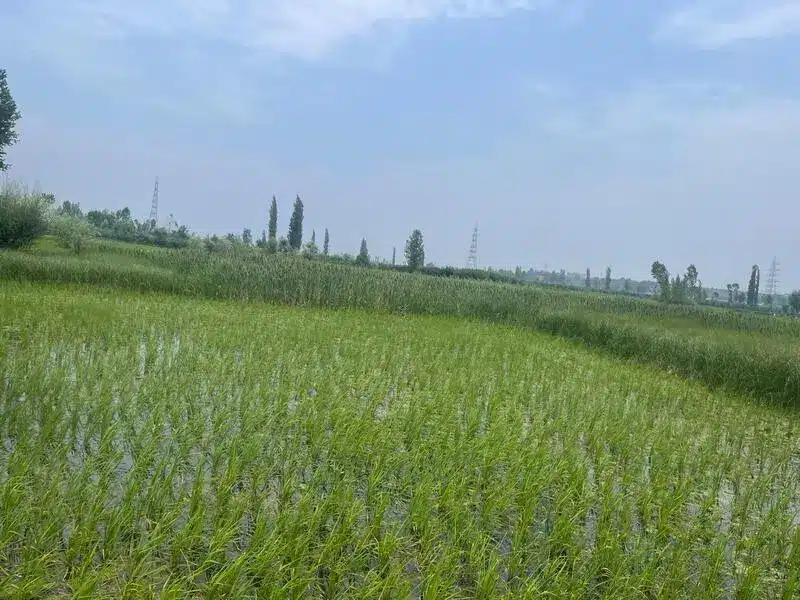
The orchard land is part of the region’s wider agricultural initiatives—such as high-density orchard development—highlighted in district-level programs
True to its name, Gupt Ganga (Hidden Ganga) is a place of quiet spirituality. Unlike large temples, this sacred spring speaks in silence, inviting devotees to experience devotion in its purest form.
Welcome to Shivlingam & Lord Ganesha Shrines - Kanlibagh, Rangwar & Sheeri
Sacred Sites of Devotion Across Baramulla
Kanlibagh Shivlingam Shrine – Baramulla
A Majestic Relic of Kashmir’s Shaivite Legacy
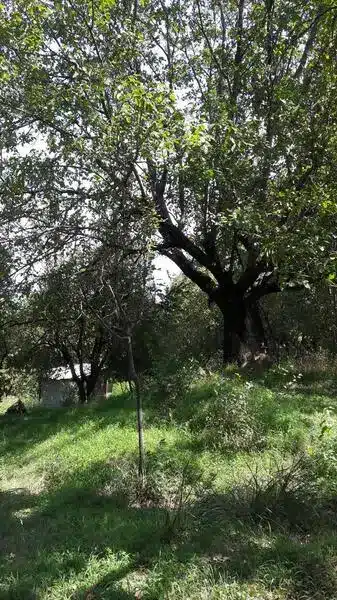
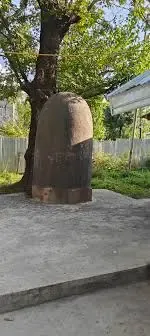
In the quiet lanes of Kanlibagh stands a striking 12-foot ancient Shivling beneath a sacred tree—the last surviving marker of a temple that once shaped the spiritual life of Varahamula. Seen in old photographs and remembered through oral history, the monolithic stone has endured long after the temple fell, likely during the 14th-century iconoclasm. Its presence remainspowerful;a reminder of the devotion that once thrived here.
Beyond Kanlibagh, the villages of Rangwar and Sheeri host small but cherished shrines dedicated to Lord Shiva and Lord Ganesha. These modest village spaces; simple platforms, shaded alcoves, or icons near springs continue to anchor community rituals.
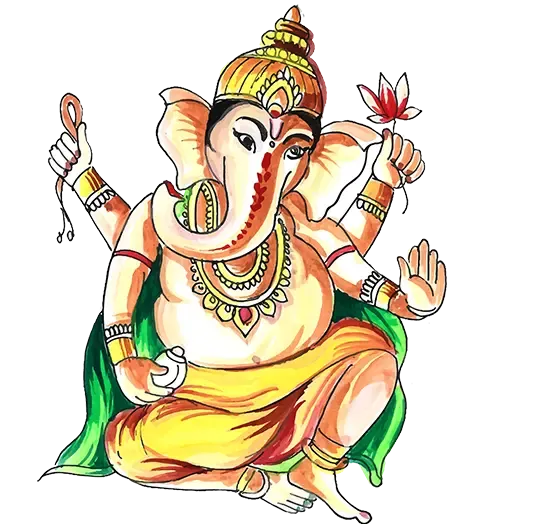
Ganesha idols draw families for Ganesh Chaturthi and daily prayers, while small Shivlingams remain central to Shivratri offerings, weekly rites, and agricultural blessings. These shrines hold memories of festivals, ancestor worship, and village gatherings.
where sacred design meets the natural harmony of the land
Architecture & Setting
The Kanlibagh Shivling stands completely open to the sky no sanctum or platform its simplicity adding to its reverence. In Rangwarand Sheeri, the shrines blend naturally into their surroundings, marked by basic iconography and organic village layouts.
where centuries of faith continue to guide the community
Spiritual Significance
These sites keep alive the region’s everyday worship traditions, even where temples no longer exist. Their continued use speaks to Baramulla’s cultural resilience and the community’s quiet determination to preserve its sacred heritage.
honoring traditions while exploring pathways forward
Conservation Possibilities
A protective boundary and simple signage around the Kanlibagh Shivling would help safeguard it. In Rangwar and Sheeri, minor enhancements clean platforms, shaded spaces, and brief information panels; can elevate their dignity. Together, these shrines could form a local “Shiva–Ganesha Heritage Trail.”
Shivlingam & Lord Ganesha Shrines - Kanlibagh, Rangwar & Sheeri
Visitor Information
Best Time:Early mornings, Shivratri, Ganesh Chaturthi
Kanlibagh
Kanlibagh locality, Baramulla
Rangwar
~3 km from Baramulla
Sheeri
~5 km north
Temple
Why Include These in Your Heritage Trail?
“In Kanlibagh, the Shivling stands like a sentinel of faith. In Rangwar and Sheeri, Shiva and Ganesha receive quiet offerings threads of devotion still woven into village life.”
Embodied Continuity
They represent an organic spiritual thread—surviving stones and openair worship in a transforming society.
Grassroots Cultural Revival
Reviving even small shrines fosters communal pride, cultural diversity, and inclusive heritage tourism.
Narrative Depth
These sites personalize Baramulla’s larger religious history—complementing temples in Shailputri, Kotitirtha, and Ramghat.
Welcome to the Khoja Bagh Shiva Shrine – Baramulla
Echoes of Shaivite Grace Amid Urban Memory
In the heart of Mohalla Khoja Bagh stands the remnant of a once-significant Shiva temple. The site, known for its sacred spring and a five-foot carved Shivling, was an important spiritual centre for the Kashmiri Pandit community of the area.
a journey into the roots that define this revered place
Historical Significance
Referenced in the Kotitirtha Mahatmya and Rajatarangini, the shrine formed part of Baramulla’s older sacred landscape, connected to sites like Kotitirth and Ramghat. The original complex held a face-bearing Shivling, a dharamshala, and the famed Ganga Nour spring warm in winter, cool in summer, and linked to healing traditions.
Future possibilities shaped with intension and care
Architecture & Site Features
The temple itself was destroyed during Afghan rule and later in 1947, but the Shivling survives in the open and remains revered. The dharamshala structure still stands, now overseen by the CRPF, while the spring recalls centuries of ritual bathing and community gatherings.
an organized look at the memories that define culture
Cultural Memory
Once surrounded by over 500 Pandit households from Khoja Bagh, Rajghat, and Kanlibagh, the shrine was a hub of festivals, daily worship, and social life. Despite invasions and the 1947 violence, the site remains part of Baramulla’s shared spiritual history.
a balance of cultural protection and mindful growth
Preservation Possibilities
A simple enclosure for the Shivling, restored spring structure, heritage signage, and recorded oral histories can revive the shrine’s significance. Restoring the dharamshala’s community use could reconnect the space to its original purpose.
Khoja Bagh Shiva Shrine
Visitor Information
Location
Khoja Bagh, Baramulla
Best Time
Early mornings, Mondays, and Shivratri
Access
Short walk from central Baramulla
Temple
Why Include Khoja Bagh Shrine in Your Heritage Trail?
“At Khoja Bagh, a stone Shiva continues to bless—even as the past fades around it, the faith lives on.”
Living Memory in Stone
A site of communal resilience—where sacred stone stands amid transformed space.
Cultural Bridge
The shrine honors centuries of Hindu, Muslim, and Sikh coexistence in Baramulla.
Narrative Depth
Its ruins offer powerful storytelling potential—highlighting displacement, survival, and shared heritage.
Welcome to Shiva Shrine at Mohra Bazar – Baramulla
A Forgotten Sanctuary in the Heart of the Village
Hidden within the narrow lanes of Mohra Bazar stands an old Shiva Lingam that once served as a quiet place of worship for local Hindu families. Though the surroundings have weathered with time, the Lingam still carries the village’s spiritual memory.
Documenting what makes this place historically significant
Historical Significance
This small shrine grew within the bustle of Mohra’s market hosting daily prayers, festival offerings, and simple rituals before the demographic shifts of the late 20th century. Even without its temple structure, the Lingam remains spiritually meaningful to locals and returning families.
an overview of the structure's existing condition
Current Condition
The site is in visible decline. Crumbling masonry, overgrowth, and lack of fencing have left the Lingam exposed and vulnerable. An adjacent old building is likely adharamshala; now stands abandoned.
where sacred design meets the natural harmony of the land
Architecture & Setting
Modest in scale, the shrine once sat within a small sanctum. Today, the Lingam rests on bare earth or a simple stone base, surrounded by the fragments of what used to be a community prayer space.
exploring sustainable pathways rooted in heritage
Conservation Potential
A basic canopy, light cleaning, and a simple enclosure can stabilize the site. Adding a small information board and involving local groups in annual clean-up or festival rituals could help revive its dignity.
a reflection of why this place holds deep cultural and spiritual value
Why It Matters
The Mohra shrine is more than a relic it’s a reminder of the village’s cultural fabric, a symbol of everyday devotion, and a chance to preserve a piece of Mohra’s identity.
Shiva Shrine
Visitor Information
Guidelines: Be mindful of damaged structures; simple floral offerings are appropriate.
Location
Mohra Bazar, Baramulla
Best Time
Mornings, Mondays, Mahashivratri
Temple
Why This Shrine Matters
“Even in ruin, the Lingam speaks of unbroken faith and memories waiting to be restored.”
Symbol of Resilience
Even without walls or roof, the Shiva Lingam continues to sanctify its surroundings—an emblem of sacred endurance.
Local Heritage Anchor
For Mohra, the shrine is more than religious—it is historical identity, woven into memories of festivals, gatherings, and market life.
Revival Opportunity
Its restoration offers a model of grassroots heritage protection—preserving not only structures, but community soul.
 info@ssdsbla.in
  RughNath Mandir Building,Main chowk Baramulla Kashmir